
Program
Q1 – 2023
Session 1 – “Making Meaningful Spaces” with Andrea Resmini
15 Feb 2023, 1-2:30pm, Sweden time (Hong Kong time – 8pm) (time converter)
Description
Culture is the interactions and relationships between people in spaces (both physical and digital) and space is the root element of human behaviour.
But how do we know if we have included the critical elements in the making of meaningful spaces using explicit (soft skills) we call practices, to have the desired behavioral outcomes that encourage people to make meaningful work?
This session will outline critical elements to make meaningful spaces including building trust, creating belonging, promoting the importance of active listening with storytelling, deeper reflection and practice, building awareness between people/time/place, seeing and connecting the dots that influence narratives, growing perspectives and other relevant spatial elements required to build character, grow leadership and encourage healthy cultures.
We invite you to join us in this “Make Meaningful Work Studio” so we can record, reflect on and action the practices and behavioral outcomes influencing Meaningful Spaces.
Goals & Benefits
This session will help you to identify:
- Critical elements required in making meaningful spaces
- Practices to insert meaning and influence in both digital and physical spaces
- How to create your own “Make Meaningful Work Studio” space encouraging sustainable learning and development
- Behavioural outcomes to facilitate and sustain healthy digital and physical 21st century work culture, leadership and culture.
Practice Outcomes
This session will outline the following practices to:
- Enable Active Listening by listening to people’s stories and to spot the practices that support meaningful spaces
- Build Awareness with individuals, teams and organisations to influence leadership practices that influence cultures at work.
Speaker
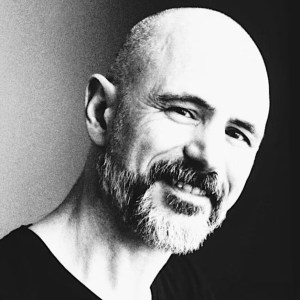
Andrea Resmini
Andrea Resmini is associate professor of Experience Design and Information Architecture at the Department of Intelligent Systems and Digital Design at Halmstad University, Sweden, where he researches and teaches courses on IA and UX for blended experiences, digital / physical ecosystems, XR, and AI. An architect turned information architect, Andrea is a two–time past president of the Information Architecture Institute, a founding member of Architecta, the Italian Society for Information Architecture, the Editor–in–chief of the Journal of Information Architecture, and the author of “Pervasive Information Architecture” (2011), “Reframing Information Architecture” (2014), and “Advances in Information Architecture” (2021).
Session 2 – “UX Strategy” with Susan J. Wolfe
23 Mar 2023, 6-7:30pm Sydney, Australia time (Hong Kong time – 3pm) (time converter)
Description
UX strategy is a blend of business strategy and UX design that fosters creating, developing, and deploying the right products and services to satisfy ‘users’ and the business alike.
It’s one thing to develop a strategy for doing ‘good’ UX, but it’s another thing to make it work.
Despite the best intentions, people are not going to buy into what’s proposed in the strategy unless it suits their needs and it’s convenient for them to do so. As we’ve seen time and time again, a UX strategy is only as good as its ability to be executed.
We invite you to join us in this “Make Meaningful Work Studio” so we can record, reflect on and action the practices and behavioral outcomes influencing UX Strategy.
Goals & Benefits
This session will help you think through the development of a strategy that works, given there are people who:
- Have other perspectives about how to approach the solution
- Are going to be impacted by what you propose
- Aren’t going to understand what you propose (and even if they understand, they’re not going to care)
- Have different deadlines, KPIs and priorities than you.
Ultimately, this session is about:
- Understanding the importance that holistic thinking plays in crafting and iterating on UX strategies
- Considering and crafting values that are meaningful to me, us and we
Practice Outcomes
This session will reinforce practices to:
- Actively listen to better understand stakeholders’ challenges
- Clearly communicate value in terms that resonate with various stakeholders
- Seek alignment on ways to achieve the intended goals of the strategy
Speaker
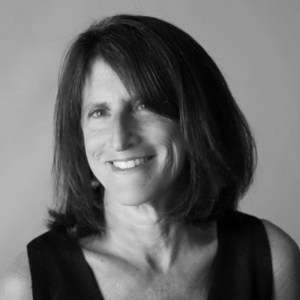
Susan J. Wolfe
Susan has been involved in the UX field for close to 40 years, dividing her time between San Francisco and Sydney. In that time, she has practiced UX design, run consultancies, mentored project teams, and introduced UX design practices and cultures into organisations around the globe. Susan also shares her expertise as a teacher and mentor, directly driving the career transitions into UX for well over 500 professionals to date.
Q2 -2023
Session 3 – “Design Leadership” with Justin Dauer
10 May 2023 (6-7:30pm, Chicago time, USA) (Hong Kong time – 8am on 11 May 2023) (time converter)
Description
Being in the position of design leadership—as it can pertain to championing design within an organisation or supporting those whom you manage and are in the craft—is an incredible opportunity. Shaping how work is produced, how your team is supported to evolve and achieve their goals, and how those on the receiving end of the work are included throughout.
Ensuring connection is at the forefront—connection of us to one another, us to our work, and our work to those who engage with it—is paramount.
Goals & Benefits
This session will help you to:
- Identify your values and how they align to servant leadership
- Leverage humility to always be a student, driving growth and evolution—yours, and your team’s
- Ensure a consistent baseline between how your team creates and how they engage with one another
- Understand what fulfills you, and your team, to ensure connection is always at the forefront
Practice Outcomes
This session will outline the following practices to:
- Foster quality relationships to better connect our teammates to their work, and each other
- Build awareness of yourself, and of other people, to grow our perspectives
Speaker

Justin Dauer
Justin is a multi-faceted, multi-pierced, multi-tattooed designer, author, and speaker with 23 years of experience (across agency, studio, and tech) from Chicago. His passions lie in building inclusive and diverse teams, fostering creative cultures, and advocating for design serving the human connection.
You’ll find him often engaging with the AIGA’s speaking events, interviewed in Forbes magazine and Medium’s “Forge” publication, and penning articles for Aquent, CEO World Magazine, and A List Apart. He speaks internationally on culture and design (most recently via the ‘21 opening keynote at the UXPA International conference, and the ‘22 Leading Design conference). Justin is also the writer of the celebrated book “Creative Culture” and is the former VP of Design at bswift, a CVS Health company.
Session 4 – “Comfortable with Uncertainty” with Geke Van Dijk
14 June 2023 (1-230pm, UK, Netherlands time) (Hong Kong time – 9pm) (time converter)
Description
We often face complexity in projects and, when working on them, this can create doubt and fear in how to get a handle on the topic and the approach, and how to fully dive into it.
We need to create space in such projects to help each other with navigating this complexity, to spot the value of it, and to be calm in gradually orienting ourselves.
This implies developing an approachable language and opening up conversations. It also implies reflecting on the higher level of a project in conjunction with the more practical details to identify a more clear direction.
This is an ongoing process of orienting and reorienting for the ‘me’, ‘us’ and ‘we’ involved in a project. The passage through complexity never reveals itself in one go, it is inherently a step by step process that you need to get comfortable with.
Goals & Benefits
This session will help you to:
- Identity why orienting and reorienting is important
- Create the space to confront uncertainty and to lower the fear in doing so
- Providing paths so people do not get lost in the noise
- Encouraging meaningful conversations using approachable language
- Building confidence to connect to the larger project purpose and outcomes
Practice Outcomes
This session will outline the following practices to:
- Orienting and reorienting to better navigate complexity
- Proactive sharing to encourage transparency and ensure everyone is on the same page
Speaker
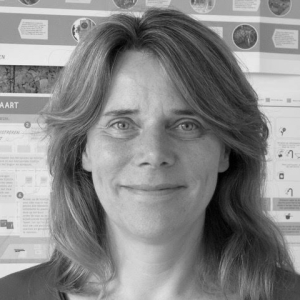
Geke Van Dijk
Geke (Pronounced “Hey-kuh”) is STBY’s jetpack. As STBY’s Strategy Director, she is well versed in steering research projects on challenging topics and leading us to explore fresh contexts with new clients. She is a pioneer in Service Design since she published her PhD on co-producing service experiences in 2007. Geke loves setting the right circumstances for highly collaborative teamwork with colleagues, clients and international partners, while also making sure to maintain a shared focus on meaningful change.
Geke clicks to focus on the big social and ecological issues of our time, and tries to make a difference by contributing to systemic change processes that are ultimately the focus of our projects at STBY. As a pioneer and seasoned design researcher, Geke is keen to help others flourish through mentoring and coaching. Developing toolkits and playbooks is also a way she likes to combine her pioneering spirit and passion for capacity building and knowledge sharing.
When she is not driving the team forward, you can find Geke surging ahead in the swimming pool. If she wasn’t a design researcher, Geke would be a Gardener or a Ninja.
Q3 -2023
Session 5 – “Social and Emotional Learning” with Greg Evans
12 Jul 2023 (San Diego, USA, 5-6:30pm) (Hong Kong time – 8am on 13 Jul 2023) Time Converter
Description
Currently at work, there are limited spaces for pause, deeper discourse, the spotting of meaningful practices, mentoring and time needed for reflective practice individually and as teams to solve problems together.
Taking the time needed to more deeply actively listen to understand needs is impacting our curiosity, empathy, respect and self awareness of the people we work with and harming our ability connect authentically to better define the underlying meaning in the work we do together.
This session explores the value of neurodiversity and demonstrates the application of SEL tools/activities. Participants will see a wide angle view of learning and how to holistically engage diverse team members to provide collective value. High performance teams get contributions from all and understanding how people learn and work best can enable leaders to position others for success.
SEL is both a context and a suite of tools that can create different, better and more human-focused team outcomes.
Goals & Benefits
This session will help you to:
- Gain perspective of how to enable learning that can drive progress and change
- Create diverse and personalised learning experiences
- Balance of self-directed and facilitated work
- Create collaborative experiences for your team
Practice Outcomes
This session will outline the following practices to:
- Create a reflective space for sharing stories
- Open up mindsets and attitudes to grow our understanding of diverse perspectives
Speaker
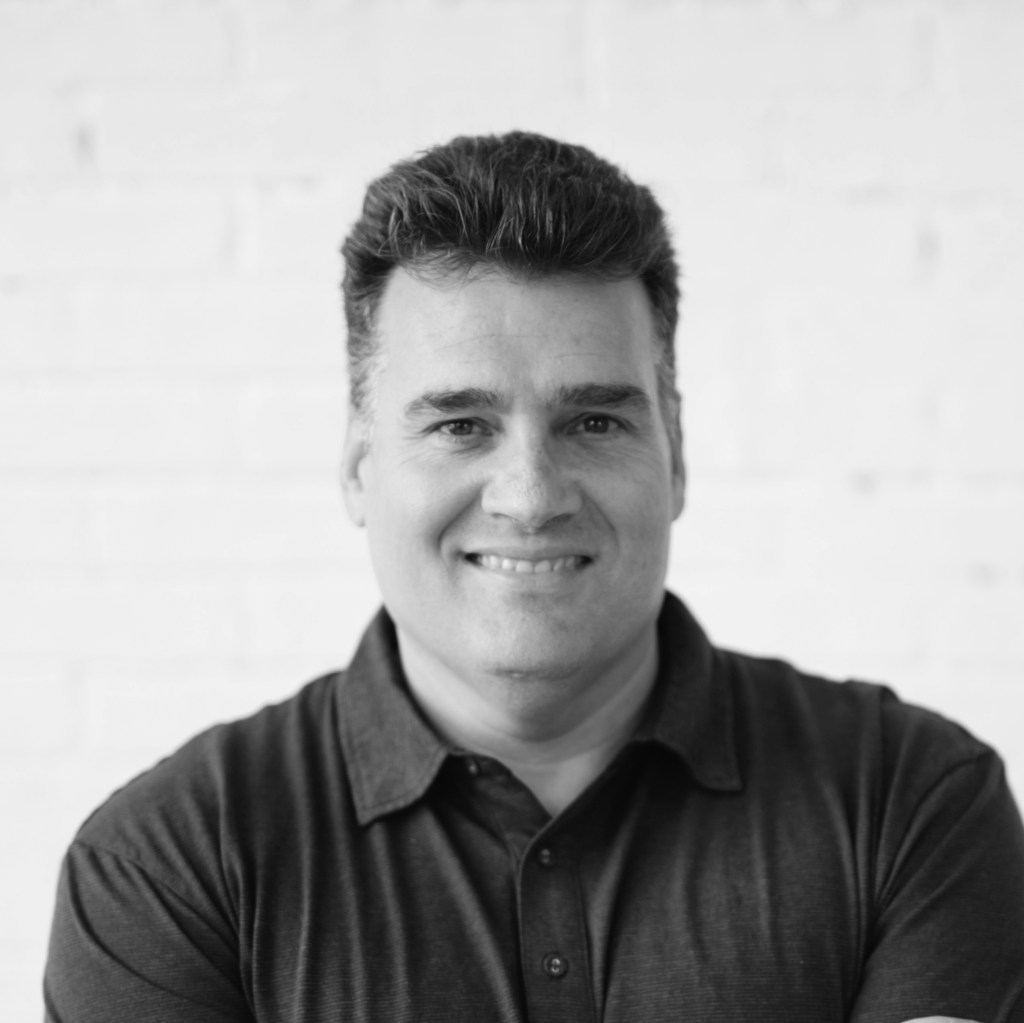
Greg Evans
An award-winning trainer, TEDX speaker, and storyteller, Greg Evans is experienced in training teachers, students, and parents. For 28 years he has delivered Seeds SEL programs in 16 countries around the world. He has worked closely with researchers, authors, and curriculum designers to develop a unique blend of accelerated, experiential and SEL training and knows how to make learning fun. Seeds programs are dynamic, fast-paced learning adventures that achieve staggering results in compressed time frames and consistently exceed expectations.
Session 6 – “Building Trusting Cultures” with Kathryn E. Campbell
27 Sep 2023 (UK, Netherlands, 1-2:30pm) (Hong Kong time – 8 on 27 Sep 2023) Time Converter
Description
We are always balancing our fear and the need to protect ourselves against our desire to be part of a community with others. The thing that allows us to move from one state to the other is trust.
During periods where we feel most vulnerable – like during a global pandemic, widespread layoffs, or political upheaval – the fear side of the equation increases. We may feel that our very survival is threatened, and we don’t trust others to have our best interest at heart.
Working remotely, moving jobs or neighbourhoods, and a divisive political climate only make it more challenging for us to engage in the reassuring practices that build community and trust. And when we lose trust, we live in a state of stress, poor judgment, and low collaboration.
In short, building trust is both very challenging right now and increasingly vital. How might we overcome the challenges to build trust with our colleagues, our neighbours, and our communities?
Goals & Benefits
This session will help you to:
- Understand why trust is low from a systemic, rather than personal, standpoint
- Learn the requirements for creating a high trust environment
- Explore exercises and behaviours that you might try to build trust in the relationships that matter most to you
- Consider how to build a high trust culture on your teams
Practice Outcomes
This session will outline the following practices to:
- Build trust and collaboration between individuals and teams
- Create an environment where newcomers feel safe to share, make mistakes, and grow
Speaker
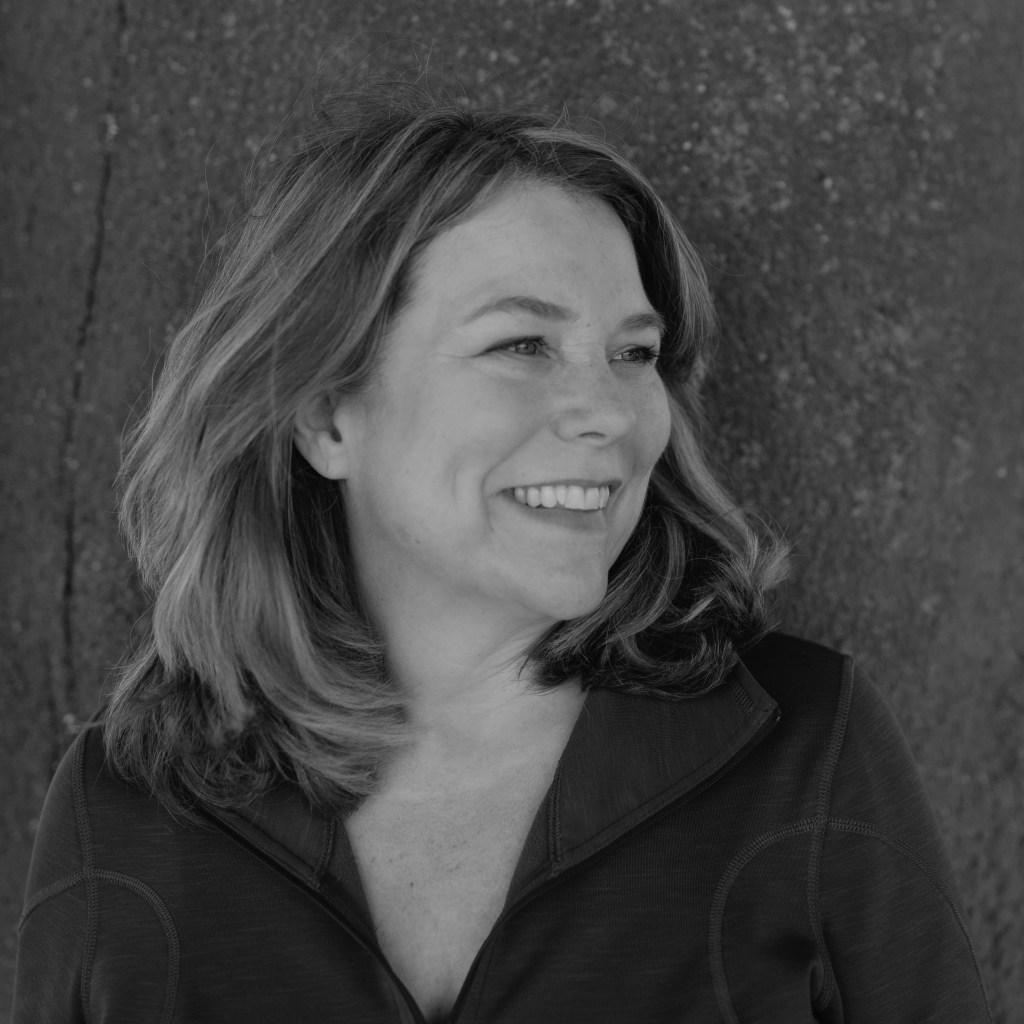
Kathryn E. Campbell
Kathryn is a research and strategy leader who has been trying to make technology more useful, accessible and intuitive for more than 20 years. Her work spans multiple industries, from automotive to cultural to entertainment. The common thread across her long and varied career is listening to users and creating a nurturing space for her team members to grow and learn.
Q4 -2023
Session 7 – “Creating a Shared Sense of Direction” with Bas Raijmakers
27 Sep 2023 (UK, Netherlands, 1-2:30pm) (Hong Kong time – 8 on 27 Sep 2023) Time Converter
Description
“If a man knows not what harbor he seeks, any wind is the right wind” – Seneca
Creating a shared sense of direction helps individuals, teams and organisations clarify the motivations, values, practices and sense of purpose in what we do.
Clarifying a joint understanding of a direction is both challenging and rewarding.
Goals & Benefits
This session will help you to:
- Identity the elements that help create a sense of direction
- Create the reflective spaces to define and iterate on direction
- Show the importance direction plays in crafting and iterating on strategy
- Help in considering and crafting values that are meaningful to me, us and we.
Practice Outcomes
This session will outline the following practices to:
- Actively listening to better understand problems
- Build awareness of other people in contexts to grow our perspectives
Speaker

Bas Raijmakers
Bas is our tall pillar of wisdom. He is a pioneer in the more visual approaches to Design Research, having published his PhD on Design Documentaries. As STBY’s Creative Director, Bas always seeks to create compelling, highly visual narratives to support empathic understandings and conversations. He thrives in networks, and finds energy in making and fostering connections with people across the globe. As such, Bas is a lead player in the Reach Network and enjoys bringing researchers from around the world together to teach, learn and laugh.
Bas continues to push the boundaries of the field by developing more-than-human design and research. He cares deeply for the planet and its natural ecosystems, and feels that Design Researchers can play an impactful role in creating systemic change toward more sustainable ways of living.
When he is not day-dreaming at the studio, you can find him at an obscure film festival or doing Tai Chi. If he was not a Design Researcher, he would be an Architect or a Mage.
Session 8 – “Design Thinking: Shift Happens” with Keith Tam
19 Oct 2023 (Hong Kong, 7-830pm) Time Converter
Description
Design thinking is now a household term. While design thinking models and methods abound, it is often mistaken as a procedure or simply a series of templates to fill out. Straddling between the Sciences (objectivity, rationality, neutrality and a concern for ‘truth’) and the Humanities (subjectivity, imagination, commitment and a concern for ‘justice’), design theorist Nigel Cross considers Design as a third culture amongst the two major domains of education that focuses on practicality, ingenuity, empathy, and a concern for ‘appropriateness’.
What is the core mindset and attitude as a designer? I would argue that it is one’s ability to fluidly shift perspectives. With the aim to conform to the culture of one’s team, unconventional yet innovative ideas are often stifled.
Shifting perspectives may include actions such as:
- Cycling between creating (divergent thinking, playful) and judging (convergent thinking, serious) mindsets during the design process
- Zooming out to understand the big picture and zooming in to look at details
- Impromptu switching between different methods to steer design processes
Goals & Benefits
This session will help you to:
- Embrace ambiguity and uncertainty and be open to unexpected and unconventional outcomes
- Delay judgement until a wide variety of possibilities have been explored
- Facilitate meetings and group ideation sessions where we break down hierarchy and truly value everyone’s input
Practice Outcomes
This session will outline the following practices to:
- Be open minded, rid preconceptions and embrace diversity in your team
- Break down hierarchy and truly collaborate with your team members
Speaker
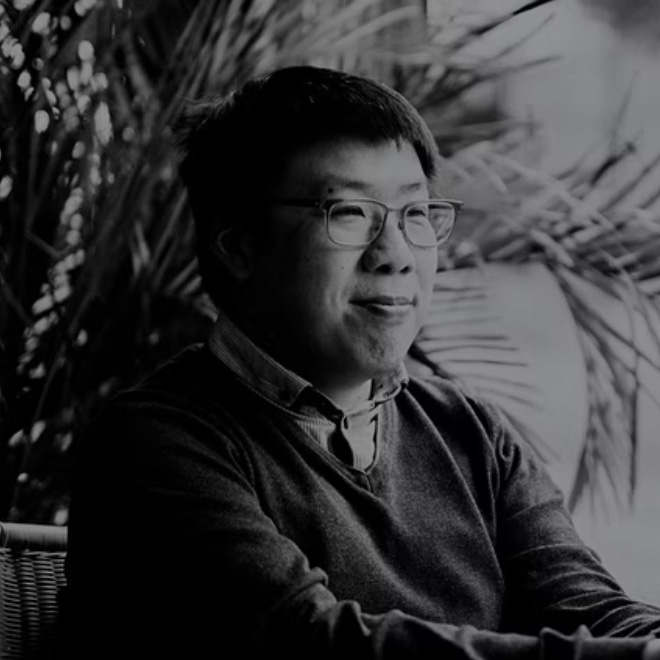
Keith Tam
Keith Tam is a communication designer and educator.
He has spent the past 17 years in higher education in Canada, UK and Hong Kong, across different types of learning environments at all levels, as teacher, researcher and academic leader.
Keith is passionate about what makes people motivated to learn and to grow, and the development of a designerly mindset.
Keith practices, consults, researches, teaches and writes about typography and information design, with particular interests in multilingual communication, document design, wayfinding and user experience. He is also an avid flâneur who roams around and observes the city, and is a typewriter collector and typist (nontxt.com).
 User Experience Hong Kong